Lifting the lid on outdoor coaching
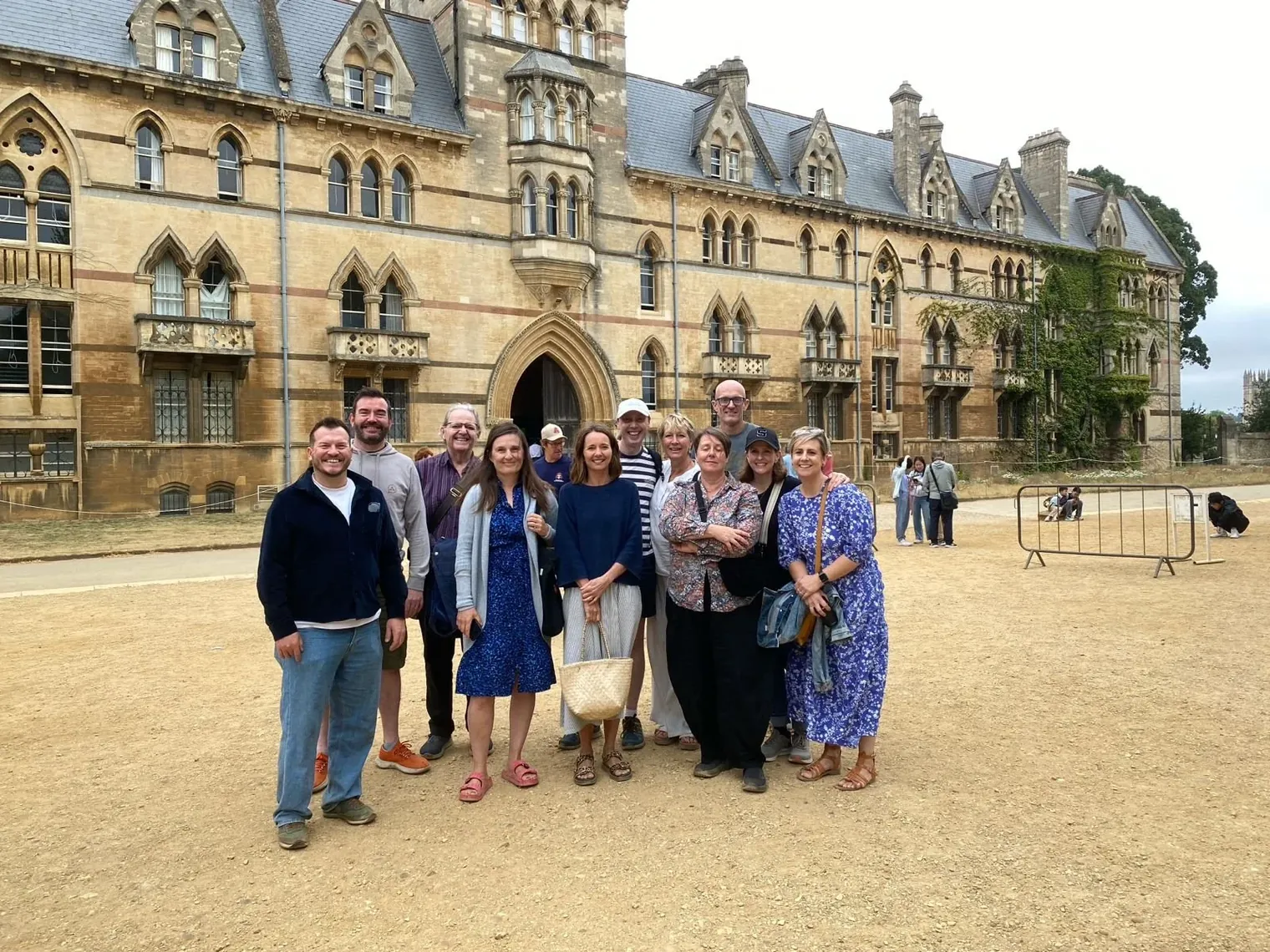
Earlier this week, I had a great session with Oxford Coaching Group (OCG) (opens in a new tab)
This is a group of diverse coaches with varied expertise and coaching styles who meet once a month to share experience, best practice and sometimes hold events with guest speakers. I have been part of this group for nearly a year and have been to 5 or 6 events.
I couldn’t miss this month’s as it was all about something that I believe in wholeheartedly and try and practice as much as possible - coaching outdoors. We explored what this means all in the beautiful setting of Christchurch college.
Coaching outdoors is not for everyone, especially with the British climate along with other potential pitfalls like the risk of injury when walking on uneven ground, finding WCs and plenty more if you delve deeper.
However, there is, in my opinion, some real value in getting away from the confines of the four walls around you.
Here’s what came up in our group alongside some of my own observations
- Space and horizons bring ease and perspective
- Outdoor spaces offer natural grounding and being in nature offers many health benefits
- Movement 'unsticks' you and the pace your client sets often dictates his or her energy. Slowing down may be read as a desire to focus / hone in on something
- Facing the same way removes the discomfort (to some) of eye contact and allows more thinking space. It also allows you to focus more on active listening. It removes the pressure on the coachee to respond quickly and that extra silence can shift the entire conversation.
- Distractions can be just that, they can break the flow of a conversation but they can also arrive synchronously like metaphors and enrich the conversation. The richness of the surroundings can make for a richer conversation.
- Outdoor spaces are great for powerful state shifting somatic exercises
If you want a bit of the science behind it, outdoor spaces activate the a region in the brain called the anterior cingulate cortex which manages emotional regulation, conflict and focus. Since the ACC communicates with the amygdala (our brains emotional region, responsible for our fright and flight response), time outdoors in nature helps the ACC regulate this area, reducing stress hormones like adrenaline and cortisol which can harm our health.
At The Next Revolution, we will soon be launching our Future Makers Programme, a group coaching programme for young people in small groups and we want to do as much as possible outdoors so this was really valuable for me.
Interested to hear in the comments if you’ve had experience coaching outdoors and what worked for you.
This article was written by Mark A King. You can follow him here - https://www.linkedin.com/in/markkingbravo/ (opens in a new tab)