Candid conversations with Gen Z: Exploring what shapes generations, new insights on NEET, is a portfolio career the new normal and is 21st century education cutting it?
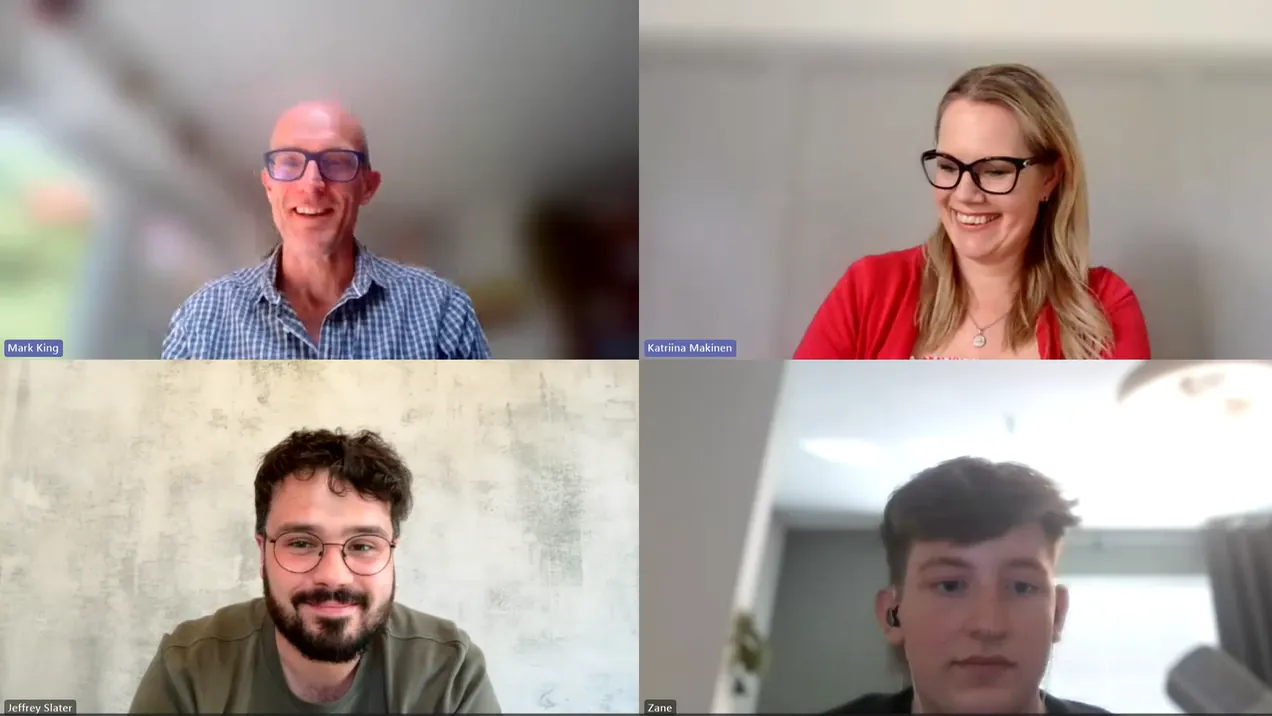
On Friday Jeff and Mark were joined by two new guests on our Candid Conversations YouTube series:
Katriina Makinen, an expert in multi-generational workplaces and the newest addition to our team, another member of Gen Z, Zane Smith, who has just finished his gap year and is off to study history this autumn.
This fascinating conversation explores the question of 'What is a generation?' and observes that with Gen Z turning 30 next year, half of this generation are in the workplace and half in education (notwithstanding the worryingly high NEET population). We also note that in 3 years' time a new generation, Gen Alpha will begin apprentice roles and Gen Beta have already been born
We have an inter-generational panel including a Gen Z, a millennial and two Gen Xs (the party generation by all accounts!) which creates some fascinating insights and perspectives
We specifically explore technology and communication and how the two have shaped each other.
What's particularly interesting, is that what's intuitive and natural to one generation is different to another.
For example
- Sending a "text", image or emoji is natural for Gen Z;
- Sending a voice note or having an actual conversation is more natural for Gen X
An unexpected phone call can be uncomfortable for a Gen Z or Millennial but a Gen X may not know how to react to a message or understand the meaning of the emoji.
It proves that what's comfortable to the sender may not be comfortable for the receiver and invites empathy and better dialogue in organisations about how best to communicate in a way that respects everyone. And with a plethora of different platforms available now - email (old school for Gen Z), Teams, Slack, WhatsApp, Zoom, Google Meet, what was designed to make conversations easier has actually complicated things and created misaligned expectations, alongside an urgency and interruption culture which are damaging focus, productivity and wellbeing.
Inevitably we turn to the NEET crisis and Jeff's research on this which Zane has come on board this summer to work on…
Another perspective that has come up from our survey is that, due to the cost of living squeeze, there are many people in their 30s and 40s taking jobs in industries like hospitality and retail which would hitherto have employed younger people. And with the pervading culture of convenience and short-termism, these companies are not investing in pipelines of future talent.
There are therefore young people entering work in the early '20s with NO WORK EXPERIENCE through no fault of their own. Over-protective millennial and Gen Z parenting may also have played its part. We talk about the value of even the most menial work as a means to accustom to the rhythms of the working day and the interpersonal interactions that come with it.
There's a generation that has lost much of this, yet may still be economically active, earning money through social media, gaming and e-commerce without ever having to leave their bedroom.
With the rise of side-hustles, we agree that the portfolio career is very soon going to become the new normal, especially with the ever more disruption emerging from AI and geopolitical events, and with employers no longer able to offer job stability and good real wages, it no longer makes sense to back a single horse in the race.
We finish off by asking whether the education system is equipping young people with the skills they need to navigate the 21st century, citing human skills of creativity, adaptability and critical thinking as the most important ones.
What do you think are the biggest inter-generational challenges and what are the no.1 things the workplace and education system need to do to adapt to the world today? Pop your comments below.
This article was written by Mark King. You can follow him here: https://www.linkedin.com/in/markkingbravo/ (opens in a new tab)